

The UK’s First Compost Championship: Celebrating Living Compost and Why S-Chelate Is Supporting the Top 20 Contenders

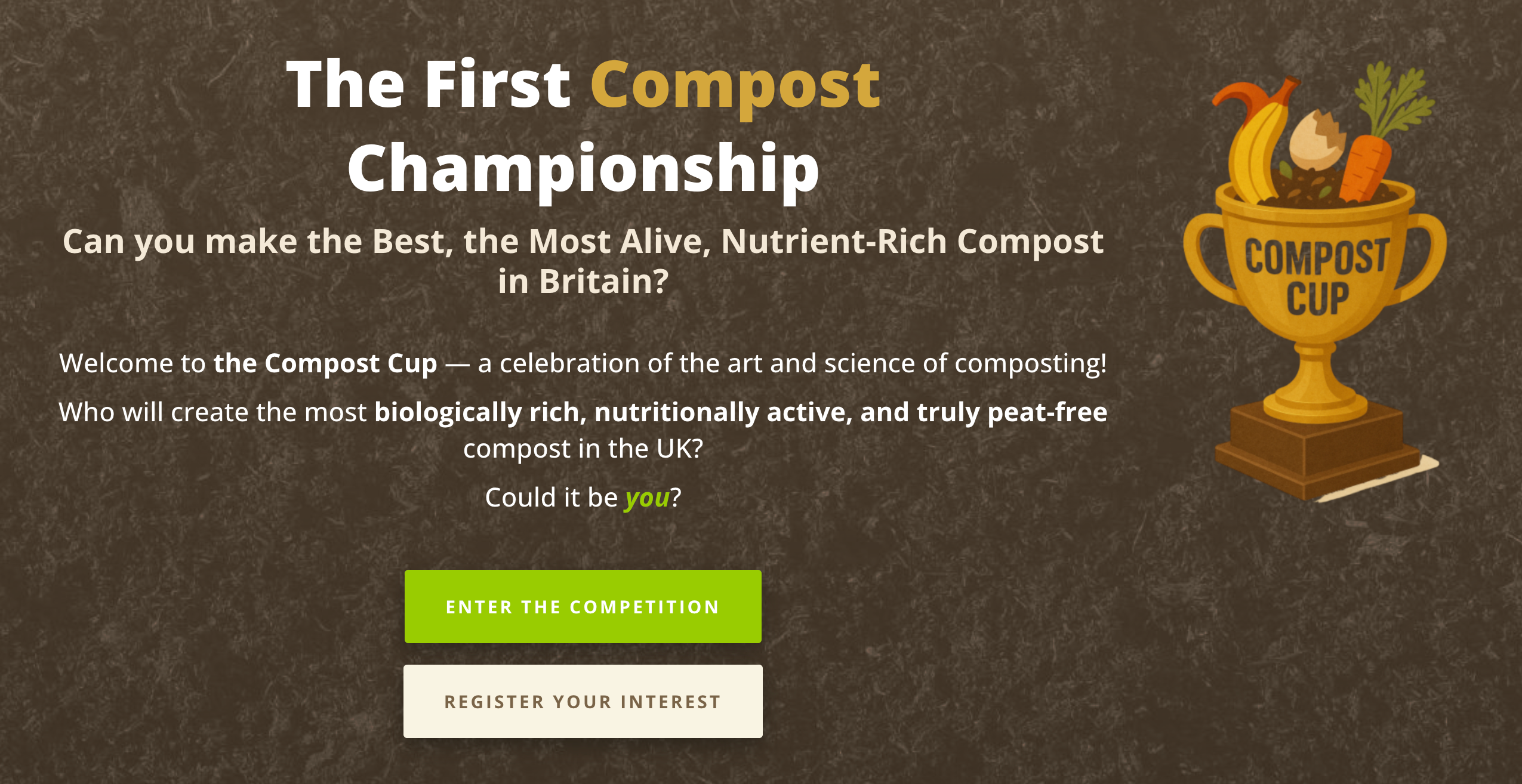
The Compost Cup Arrives
Compost has always sat at the heart of good soil stewardship, yet the skill and understanding required to make truly high-quality compost is often overlooked. Across farms, market gardens and back gardens, composters quietly transform waste into a living, biologically active resource that underpins soil health, plant resilience and long-term fertility.
The launch of the UK’s first Compost Championship, also known as the Compost Cup, marks an important moment for the composting community. Created to celebrate both the art and the science of composting, the competition sets out to identify the most biologically rich, nutrient-active and genuinely peat-free compost in Britain.
At S-Chelate Plant Nutrition, we believe this initiative deserves support. That is why we are donating a pack of S-Chelate-O Cultiv-8 to the top 20 contenders in the competition. This article explains why the Compost Championship matters, how it works, and how compost quality, soil biology and micronutrition all come together in practical growing systems.
Key Takeaways
- The UK Compost Championship celebrates the biological quality of compost rather than volume or appearance.
- Entries are judged using professional laboratory analysis focused on compost microbiology and carbon to nitrogen ratio.
- Every participant receives detailed compost data, community access and expert support throughout the competition.
- High-quality compost plays a central role in soil fertility, nutrient cycling and climate resilience.
- S-Chelate Plant Nutrition is supporting the top 20 contenders with S-Chelate-O Cultiv-8 to complement compost-based growing systems.
Did you know? Each compost sample entered in the Championship is independently analysed and returned with results within two weeks, allowing composters to track improvements over time.
Why a Compost Championship Matters
Compost has been used for centuries, yet its full value is still underestimated. Good compost is not simply decomposed organic matter. It is a dynamic, living system that supports nutrient cycling, soil structure and microbial diversity.
The Compost Championship exists to highlight this reality and to give composters a platform to demonstrate what well-made compost can achieve. The competition frames composting as a skilled practice that blends observation, biology and patience.
Compost as a Climate and Soil Solution
The Compost Cup places compost within a wider environmental context. High-quality compost plays several important roles:
- It supports fertile soils capable of producing healthy, nutritious food
- It improves soil structure and water retention, helping buffer against climate extremes
- It provides habitat and food for billions of soil organisms
- It offers a genuine alternative to peat-based growing media
By focusing on biology and nutrient availability rather than appearance alone, the competition helps shift attention towards what really matters beneath the surface.
The Origins of the Compost Championship

The Compost Championship has been launched by Soil Ecology Laboratory, also known as Soil Smiths, with Jonny Furze leading the initiative. Jonny’s stated motivation is simple and compelling. People who make compost are doing vital work and deserve recognition for their contribution to soil health and sustainability.
The competition has been designed to appeal to a wide range of composters. According to Jonny, entrants already include larger-scale compost producers alongside garden-based composters. This diversity reflects the shared principles that underpin good composting regardless of scale.
By creating a formal championship, Soil Ecology Laboratory is helping to build a stronger composting culture where learning, comparison and improvement are encouraged.
How the Compost Championship Works
The Compost Championship runs over a twelve-month period and is structured to allow participants to learn and improve over time.
Competition Structure
- The competition is split into four seasonal rounds
- Participants can enter once or submit new compost samples each quarter
- Each quarter produces a round winner
- At the end of the year, the first UK Compost Champion is crowned
Sample Submission Process
- Participants choose a specific week to submit their compost sample
- There are 25 submission slots available per week
- Samples are sent at the start of the chosen week
- Results are returned within two weeks of receipt
This structure allows composters to track how changes in inputs, management or maturity affect compost quality across the seasons.
What the Judges Are Measuring and Why

The Compost Championship is judged using professional laboratory analysis rather than subjective assessment. Two main criteria are used.
Compost Microbiology
The biological life within compost is central to its function. Microorganisms drive decomposition, nutrient release and the formation of stable organic matter. Measuring compost biology helps identify how active and balanced the compost ecosystem is.
Carbon to Nitrogen Ratio
The carbon to nitrogen ratio, often written as C:N ratio, provides insight into how readily nutrients will become available to plants. A balanced ratio suggests compost that can support plant growth without locking up nitrogen or releasing nutrients too rapidly.
Together, these measures focus attention on compost performance rather than appearance or smell alone.
Who Can Take Part
The Compost Championship is open to anyone producing compost, from professional operators to home gardeners. Participants can submit single samples or multiple entries depending on interest and budget.
According to Soil Ecology Laboratory, around 100 people had already signed up at the time of the competition’s launch, highlighting strong interest across the composting community.
What Every Entrant Receives
One of the strengths of the Compost Championship is the value provided to every participant, not just the winners.
Included Benefits
Each entry includes:
- Professional, independent laboratory analysis of compost biology and nutrient profile
- Access to a private Compost Cup community
- Weekly Zoom calls led by the Soil Ecology Laboratory team
- A 20 percent discount on Soil Ecology Laboratory training courses
The data generated through testing allows composters to compare results over time and against other entries, turning the competition into a powerful learning tool.
Entry Costs and Accessibility
The cost per compost sample is £115 excluding VAT, which equates to £138 including VAT. This fee covers laboratory analysis, community access and ongoing support.
Soil Ecology Laboratory has been open about the fact that testing costs can be a barrier for some participants. As a result, they are actively seeking sponsors to help make the competition more accessible and to provide meaningful product prizes.
At S-Chelate Plant Nutrition, our contribution of S-Chelate-O Cultiv-8 to the top 20 contenders is intended to support this goal and recognise the effort involved in producing high-quality compost.
Compost Quality and Nutrient Cycling

High-quality compost acts as a bridge between organic matter inputs and plant nutrition. While compost contains nutrients, those nutrients are only useful to plants when they are biologically available.
Key Functions of Quality Compost
- Supports diverse microbial populations
- Improves soil aggregation and aeration
- Enhances nutrient retention and gradual release
- Encourages resilient root systems
Compost quality directly influences how efficiently plants can access both macronutrients and micronutrients in the soil.
Micronutrients and Living Soils
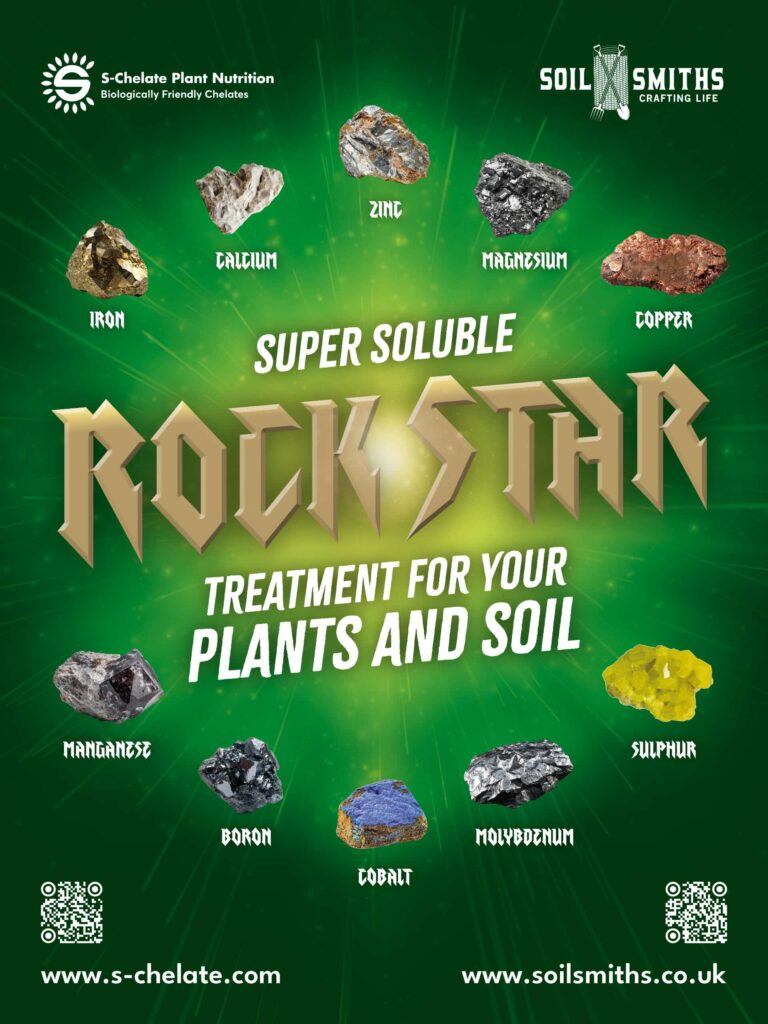
Micronutrients are required by plants in small quantities but play essential roles in enzyme function, photosynthesis and overall plant health. In biologically active soils, micronutrients are constantly cycled by microbes and made available to plant roots.
Compost provides an ideal environment for this process, but availability can still be limited by soil chemistry or imbalance.
How Micronutrients Support Compost-Based Systems
- They enable plants to fully utilise nitrogen, phosphorus and potassium
- They support microbial enzyme activity
- They contribute to stress tolerance and root development
This is where targeted micronutrition can complement compost-based fertility rather than replace it.
Where S-Chelate Plant Nutrition Fits In
At S-Chelate Plant Nutrition, our focus has always been on supporting plant health through chelated micronutrients that work in harmony with soil biology.
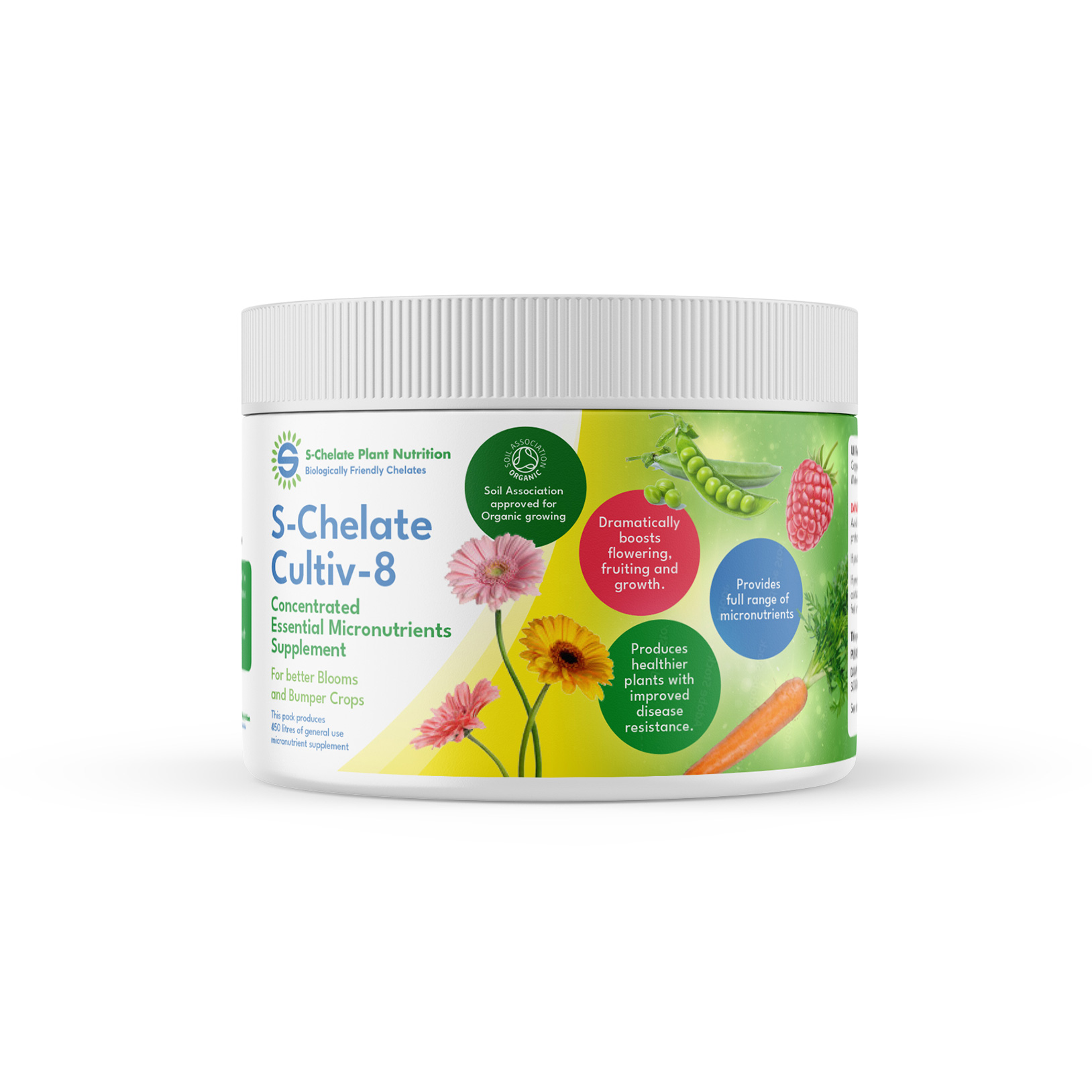
S-Chelate-O Cultiv-8 is a concentrated plant health and growth booster containing eight essential micronutrients in a fully water-soluble form. It is Soil Association approved for organic growing and is designed to complement compost-based nutrition by supporting nutrient availability rather than overriding biological processes.
Why Cultiv-8 Is Relevant to Composters
- It supports plants grown in biologically active soils
- It helps address micronutrient limitations without disrupting soil life
- It aligns with organic and regenerative growing principles
By donating Cultiv-8 to the top 20 contenders, we aim to provide a practical tool that composters can use within their existing systems.
Why Supporting the Top 20 Contenders Matters
Producing consistently high-quality compost requires observation, testing and refinement. Recognising the top performers helps raise standards while encouraging others to learn and improve.
Our support is not about competition for its own sake. It is about encouraging curiosity, sharing knowledge and reinforcing the value of soil-focused approaches to growing.
Compost Championship Overview Table
| Feature | Details |
| Competition duration | 12 months |
| Number of rounds | 4 seasonal rounds |
| Cost per sample | £138 including VAT |
| Judging criteria | Microbiology and C:N ratio |
| Results timeframe | Within two weeks |
| Participant benefits | Lab analysis, community access, Zoom calls, training discount |
Join the Movement
The Compost Championship invites composters to share their work, learn from data and demonstrate what living compost can achieve. It encourages collaboration between humans and microbes and places compost firmly at the centre of sustainable soil management.
Those interested in taking part can enter the competition, explore sponsorship opportunities or simply follow the journey of the Compost Cup as it unfolds.
Conclusion: Compost as a Living Skill
Compost is not a by-product. It is a skilled craft rooted in biology, observation and care. The UK’s first Compost Championship recognises this reality and provides a platform for composters to showcase their work.
At S-Chelate Plant Nutrition, we are proud to support this initiative and the people behind it. By celebrating compost quality and supporting biologically led growing systems, we can help build healthier soils and more resilient food production for the future.
Discover how chelated micronutrients can support biologically active soils by exploring S-Chelate Plant Nutrition’s approach to plant health.