

From Prize-Winning Tomatoes to Spectacular Cactus Flowers: Share Your S-Chelate Success Stories

Every Plant Has a Story to Tell
Some of the best gardening moments are unplanned. A tomato wins a prize, a cactus flowers for the first time, or an ornamental grass reveals a surprising colour.
At S-Chelate Plant Nutrition, we hear about the effort people put into their plants, but we are interested in the surprises along the way. An unexpected bloom can be unforgettable. Even a puzzling result can teach us something.
Three experiences have given us plenty to talk about. They have also prompted a question we would love more customers to answer: how have your plants surprised you? Whether you grow in an allotment, greenhouse, garden or on a windowsill, your story could help and inspire another grower.
Key Takeaways
- Prize-winning tomatoes: An allotment grower in the Amersham area was delighted when his tomatoes won a prize after using S-Chelate 12 Star.
- Spectacular cactus flowers: Indoor cacti flowered for the first time after being fed with S-Chelate-O Cultiv-8 and S-Chelate 12 Star, and have continued flowering ever since.
- A colourful anniversary surprise: A feathery ornamental grass began turning red after repotting and feeding with S-Chelate 12 Star, although the precise cause remains uncertain.
- Fertigation made easier: S-Chelate 12 Star and S-Chelate Protom are highly soluble at their recommended fertigation concentrations, making them suitable for appropriate wick-fed growing systems.
- Share your growing experiences: We’d love to hear about your unexpected plant successes, unusual transformations and experiences with S-Chelate products. Send us a photograph or story about your plants, and we’ll thank you with a free diary.
Did you know? Some spectacular cactus flowers last just one night! Have your plants ever surprised you? We’d love to hear your story.
Prize-Winning Tomatoes: An Allotment Success Story
We were delighted to hear from an allotment grower in the Amersham area who had been using S-Chelate 12 Star on his tomatoes. He was thrilled with the crop he produced, particularly because his tomatoes won a prize.
Anyone who grows tomatoes knows how satisfying that must have felt. From supporting stems to managing watering, a good crop takes patience. Recognition makes it sweeter.
What pleased us just as much was the grower’s enthusiasm for sharing his discovery. He told us he would like to make S-Chelate 12 Star available to fellow allotment holders through his shop. We are keeping this grower’s name private, but we wanted to celebrate his reported success and thank him for getting in touch.
A prize-winning tomato cannot be credited to fertiliser alone. Variety, growing conditions, weather, watering and a grower’s skill all contribute. Nevertheless, it is encouraging to hear directly from someone who was so happy with his harvest and feeding programme.
Have you enjoyed an unusually productive tomato season? Perhaps you grew particularly flavoursome fruit, tried a new variety or won a prize yourself. We would love to know what you grew, how you cared for it and what made the result memorable.
Spectacular Cactus Flowers: A Wonderful Surprise
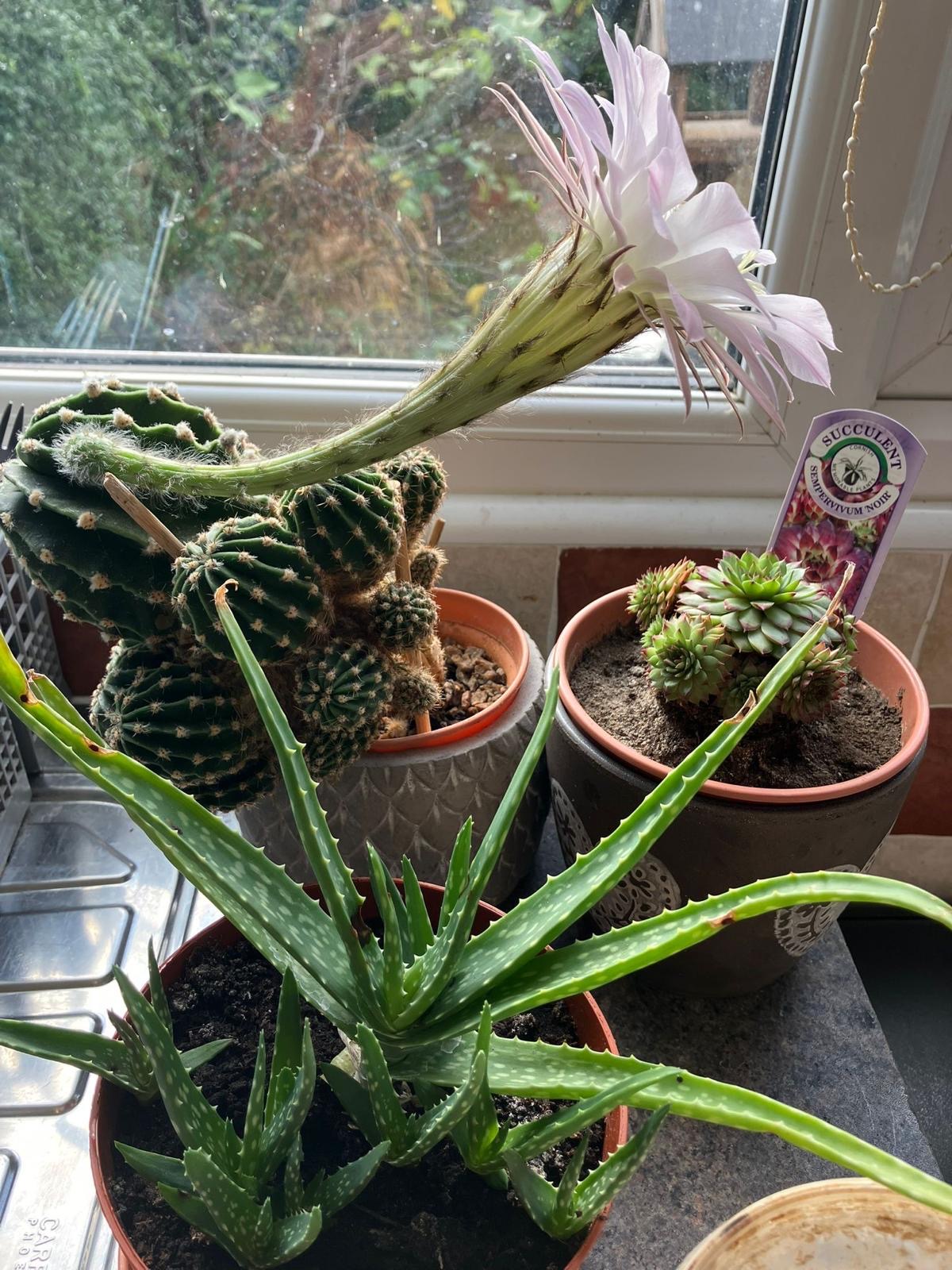
Some of our favourite growing stories come from much closer to home. One member of our team and his wife had indoor cacti that had never flowered. They began feeding the plants with S-Chelate-O Cultiv-8 and S-Chelate 12 Star, and were delighted when flowers appeared for the first time.
The flowering was no one-off event. The cacti have continued producing flowers, to the couple’s amazement.
The flower spikes are extraordinary in their own right. When the blooms open, they can look almost surreal, with shapes and details that seem far too elaborate to belong to an ordinary houseplant. Some cactus flowers last only a short time, making catching one fully open particularly special.
Our existing Spectacular Flowering Cactus case study records an earlier display, including flowers that lasted just one night. We also hope to share more photographs of the striking spikes and blooms from these plants.
We are delighted by the timing of the flowering after the feeding routine changed, but we cannot identify nutrition as the sole cause. Light, temperature, plant maturity and seasonal conditions influence cactus flowering too. The pleasure of the observation remains, whatever combination of factors helped.
Has a cactus, orchid or other houseplant surprised you with its first flowers? Tell us what happened, especially if you managed to capture the moment on camera.
An Anniversary Grass with an Unexpected Colour Change
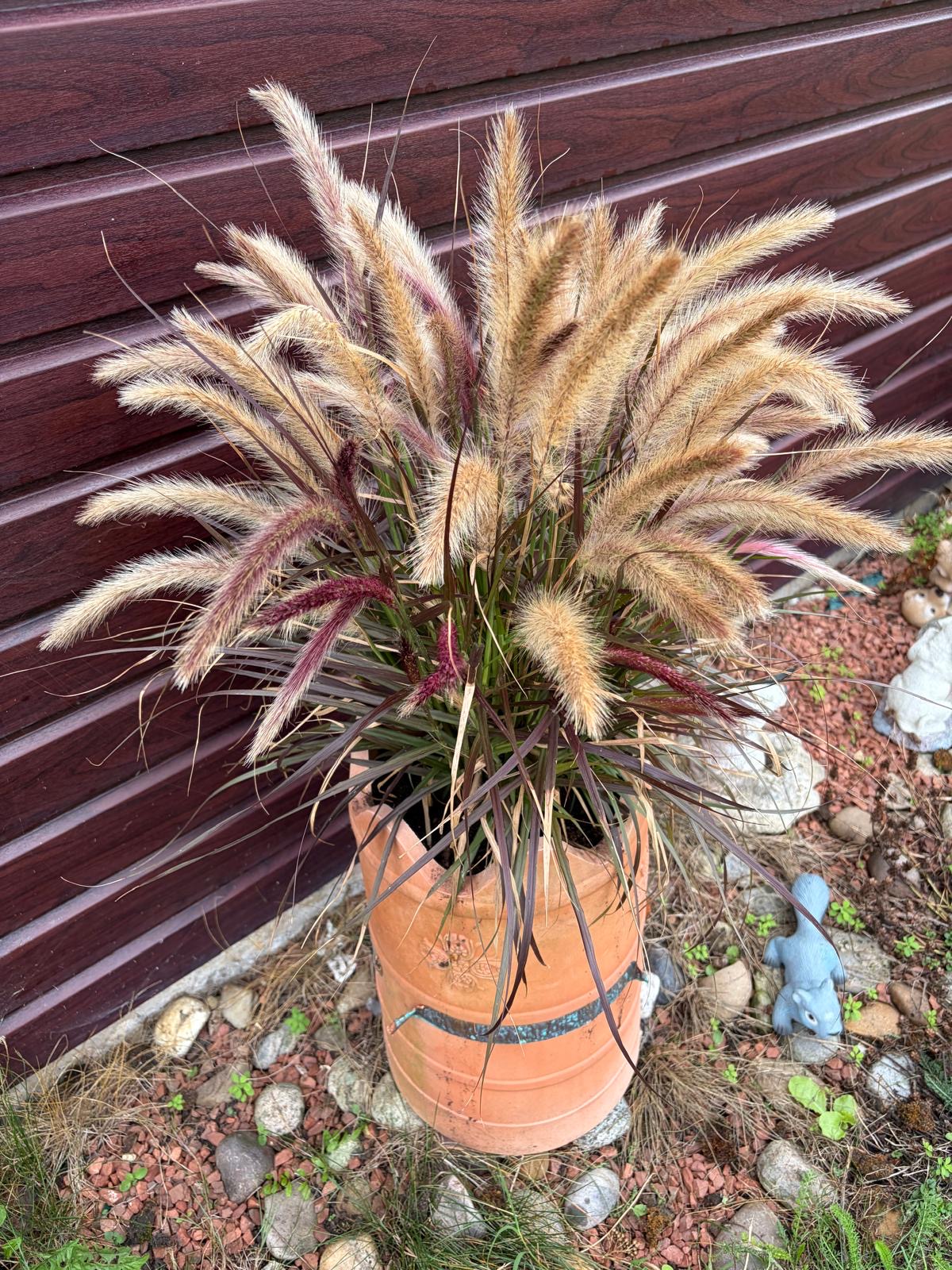
Another surprise arrived as a gift for a very special occasion: a 52nd wedding anniversary.
The present was a feathery ornamental grass. In the photograph supplied with it, the plant was a beautiful red. In real life, though, the foliage looked distinctly brown and feathery. Would it ever develop the colour shown in the picture?
The couple repotted it and gave it some S-Chelate 12 Star. Then something delightful began to happen: the grass started turning red.
It is tempting to credit feeding alone, but gardening is rarely so simple. The plant might have been a little dehydrated when it arrived. It could also have needed additional nutrients, or benefited from both improved moisture and nutrition. Light, temperature and natural seasonal colouring may also have contributed.
Without knowing its variety or comparing an untreated plant, we cannot identify the decisive factor. What we can say is that watching the red colour emerge was a lovely surprise, especially in a plant with such sentimental value.
We plan to share a photograph so you can see the change for yourself. In the meantime, have you ever seen a plant recover, change colour or develop in a completely unexpected way?
Why Balanced Plant Nutrition Matters
Behind many gardening questions is a familiar issue: what does a plant actually need to grow well?
Most gardeners know about nitrogen, phosphorus and potassium, often abbreviated to NPK. Plants also require calcium, magnesium, sulphur and smaller quantities of micronutrients such as iron, manganese and zinc. These elements play different roles, and an insufficient supply of one can limit growth even when other nutrients are available.
Chelation helps certain mineral nutrients remain available for plant uptake under a range of growing conditions. We explain the principle in more detail on our How S-Chelate Works page.
Choosing the right type of feed
| Product | What it provides | Typical use |
|---|---|---|
| S-Chelate-O Cultiv-8 | Supplementary blend of eight nutrients | Alongside composts or other nutrient sources |
| S-Chelate 12 Star | Complete feed with NPK and chelated micronutrients | General growing, flowering and fruiting |
| S-Chelate Protom | Complete specialist tomato feed | Tomatoes and suitable continuous-feeding systems |
The products have different purposes, but none replaces sound plant care. Appropriate light, watering, a suitable growing medium and careful attention to the plant matter just as much. When something changes, we encourage growers to note all those details rather than assuming that feeding explains everything.
Fertigation Systems: Have You Tried Quadgrow or Something Similar?
We are keen to hear from customers using fertigation, which means supplying dissolved nutrients through irrigation water. It can simplify feeding container-grown crops.
How wick-fed systems work
Quadgrow is a familiar example. Its pots sit above a reservoir, with feeder mats drawing the water and nutrient solution upwards towards the roots by capillary action. This is useful for crops such as tomatoes and peppers, where uneven watering can make growing more demanding.
The Hozelock Growbag Waterer also uses a reservoir, while AutoPot systems control a gravity-fed supply through a valve rather than feeder mats. We are interested in experiences with all of them, including homemade systems.
Why solubility matters
When nutrient solution must travel from a reservoir into a growing medium, it needs to mix properly with water. Both S-Chelate 12 Star and S-Chelate Protom are highly soluble at their recommended fertigation concentrations. Our product guidance specifically identifies them as suitable feeds for wick-fed and other appropriate continuous-feeding arrangements.
Protom is formulated for tomatoes and is particularly relevant where growers use rainwater or soft water. Our Tomato Blossom End Rot Trial 2023 describes the controlled testing that informed its development. For very hard water, our guidance recommends 12 Star rather than Protom because mineral deposits can be troublesome in narrow-piped systems.
Always follow the relevant product’s fertigation dilution instructions, which are different from ordinary watering-can feeding rates. Keep the reservoir clean and check that your chosen system is functioning correctly.
We would love your practical feedback. Has a Quadgrow helped you manage watering? Have you used S-Chelate feeds in a reservoir? Which crops, systems and approaches have worked well, and what difficulties have you encountered?
We Want to Hear Your S-Chelate Success Stories
Not every memorable gardening story is dramatic. A bumper strawberry crop or a houseplant that finally flowers can be just as exciting.
We want to build a collection of experiences from S-Chelate customers. We cannot promise identical results for every plant. Instead, we want to share real observations and what others might learn from them.
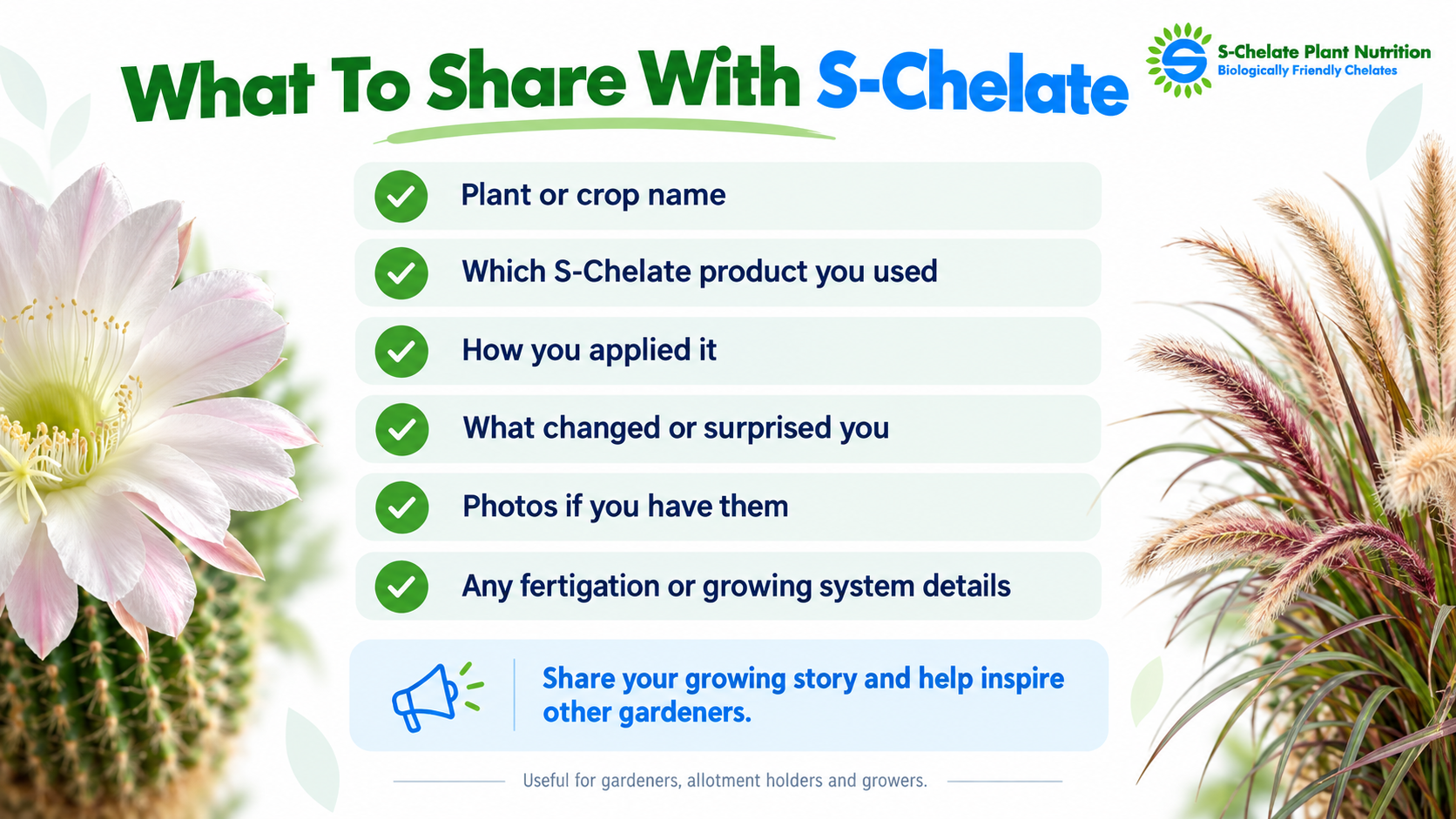
What could you tell us?
- The plant: its name or variety, where it was growing and how long you have had it.
- The feeding: which S-Chelate product you used, how you mixed it and how often you applied it.
- The result: what surprised you, when you noticed it and whether anything else had changed.
- The pictures: photographs of flowers, fruit, foliage or a before-and-after transformation.
- The growing system: details of any Quadgrow, wick-fed planter or other fertigation equipment you use.
We welcome successes, questions and mixed results alike. If you would prefer to remain anonymous, please say so. We will seek your permission before publishing your comments or photographs.
Share Your Story and Receive a Free Diary
As a thank-you for sharing your growing experiences, we’re offering a free diary to everyone who sends us a plant photograph or story.
Whether you’ve enjoyed a bumper harvest, witnessed an unexpected transformation or simply have an interesting gardening experience to share, we’d love to hear from you.
Your contribution doesn’t need to be published or featured to qualify. Everyone who sends us a photograph or story will receive a diary as a token of our appreciation.
For inspiration, explore our customer testimonials. To share your own story, contact S-Chelate Plant Nutrition and tell us about your plants. Ask us about sending photographs.
For inspiration, explore our customer testimonials. To share your own experience, contact S-Chelate Plant Nutrition and tell us about your plants. You can also ask us about sending photographs.
From prize-winning tomatoes to extraordinary cactus flowers and an anniversary grass turning red, we’ve shared a few of our favourite surprises. Now it’s your turn: how have your plants surprised you?
Send us your photograph or story and receive a free diary as our thank-you. We’d love to hear from you!